
Second Wedding Planning in Kenya: Etiquette, Budget, and What's Different
A warm, practical guide to planning a second wedding in Kenya — navigating family expectations, budgeting, legal steps, and what the rules actually are.
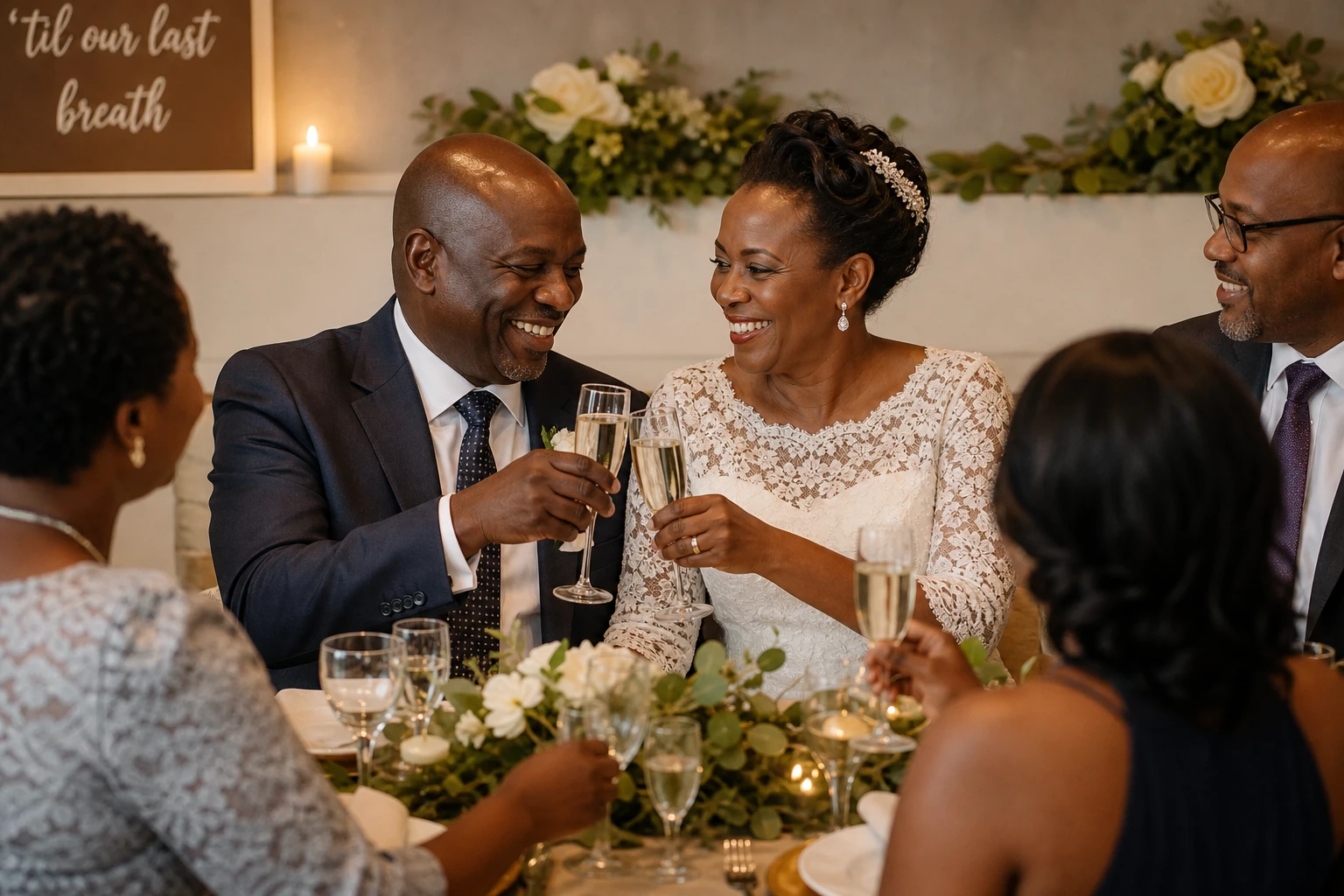
There is a quiet but real trend among Kenyan couples: more second weddings, more open conversations about remarriage, and — fortunately — less shame attached to either. Whether the first marriage ended in divorce, separation, or the loss of a spouse, the decision to celebrate again is deeply personal and, increasingly, well-supported by community and family.
But second weddings in Kenya carry their own particular texture. The rules are different — partly social, partly legal, partly about what you genuinely want versus what you feel you are supposed to want. Here is an honest guide to navigating all of it.
Start With the Legal Foundation
Before anything else: confirm that you are legally free to marry again in Kenya.
If you were previously married under the Marriage Act (a civil or statutory marriage), you will need either:
- A decree absolute confirming your divorce is finalised, or
- A death certificate if your previous spouse passed away
If you were previously married under customary law, the process is more complex and depends on the specific customs of the community. Some customs have formal dissolution processes; others do not. The safest path is to consult the Registrar of Marriages or a family law practitioner to confirm your status before booking any venue or vendors.
This matters because: Officiating a marriage before a previous one is legally dissolved is a criminal offence in Kenya, regardless of how separated or informally "over" the previous relationship was.
Do Not Let "The Rules" Decide for You
Many Kenyan couples approaching a second wedding carry a mental list of things they feel they are not allowed to do: a white dress, a church ceremony, a full guest list, bridesmaids, a big reception. The unspoken assumption is that a second wedding should be smaller, quieter, and less joyful than the first — a concession to having "used up" the celebration.
This is a cultural script, not a law. And it is worth examining closely before you accept it.
Some people genuinely want a smaller, more intimate celebration the second time. That is a meaningful choice, made freely. But if you are scaling down primarily because you feel you do not deserve the full experience again, that is worth questioning — especially if your partner has not been married before, or if your first marriage was difficult in ways that make this one feel like your real beginning.
The only rules that matter are the ones that genuinely reflect your values, your family context, and your relationship. Everything else is negotiable.
Family Dynamics: Navigating the Complicated Parts
This is where second weddings in Kenya get genuinely complex. A few specific situations come up often:
Children from a previous marriage
If you or your partner have children from a previous relationship, how they are included — or not — in the wedding shapes the tone of the day significantly. Some couples involve children in the ceremony itself as ring bearers, flower girls, or part of a family unity ritual. Others prefer to keep children's involvement separate, celebrating with them privately before or after.
Neither approach is wrong. What matters is that the decision is made intentionally and explained to the children in age-appropriate terms before the day, not revealed to them as a surprise at the event.
Your extended family and community
Wachague na wengine will have opinions. In many Kenyan communities, extended family participation in a wedding — both the planning and the day itself — is not optional. A second wedding may attract extra commentary, some of it unwelcome.
A practical approach: decide in advance which relationships matter enough to require direct, personal conversation, and which you are comfortable letting hear the news through family channels. Not every relative needs to be consulted. But your close family — parents, siblings — generally deserve to hear from you directly before they hear from anyone else.
If there is significant family opposition to the remarriage, address it before the planning process begins in earnest. Trying to plan a wedding while managing active opposition from close family is exhausting and tends to produce compromises that make nobody happy.
Your ex-partner and their family
There are no universal rules here, but a few practical considerations:
- If you share children, consider how your wedding plans may affect the parenting relationship and co-parenting dynamic.
- Former in-laws who are still part of your children's lives may need some communication, not about the wedding details, but about how the change in family structure is being handled.
- Do not use the wedding as a statement directed at an ex-partner. The day should be about your new relationship, not a response to the old one.
Invitations: Scale and Framing
A second wedding invitation list in Kenya often involves a genuinely difficult curation exercise. You may have a large community from your first wedding — relatives, friends, church members, colleagues — many of whom attended before. Do you invite the same people? All of them? None of them?
Some guiding principles:
- Invite the people who genuinely matter to you now, not as an obligation to maintain from the first wedding.
- If budget or venue size constrains your list, a smaller wedding is not a lesser wedding.
- The invitation itself can reflect the nature of the occasion. A warm, personal note to guests who know your history acknowledges the context without over-explaining it.
For couples who want a very small ceremony with close family only, a larger celebration — a dinner, a garden party — can follow some weeks later for a wider circle. This separates the intimacy of the ceremony from the broader community celebration.
Budget Considerations for Second Weddings
Second weddings in Kenya tend to fall into two patterns:
Pattern one: deliberately smaller. The couple has been through the full production once, knows what they value, and chooses to spend less. A garden wedding, a small reception of 50–80 guests, a shorter planning horizon. This can be done well for Ksh 300,000–600,000, with careful vendor selection.
Pattern two: similar scale, different priorities. Particularly when one partner is getting married for the first time, the scale may be comparable to a first wedding. What changes is often the approach — more decisive, less anxious, with clearer preferences.
Regardless of scale, the budgeting principles are the same. Use a wedding budget tracker to plan from the start, and understand what vendors cost in the current market with the Kenya wedding vendor price list.
A note on vendor conversations: you do not need to disclose that it is a second wedding to vendors unless you want to. Some couples mention it because it shapes their brief — a more intimate tone, a smaller production. Others prefer to simply describe what they want. Neither approach is more correct than the other.
What Is Actually Different on the Day
The experience of a second wedding, for most couples, is described the same way: more present, less performative. The first wedding can feel like something you are doing for everyone else as much as for yourselves. The second tends to feel more clearly like your own.
The speeches are often warmer and more specific. The photographer catches different moments — fewer staged poses, more genuine ones. The couple typically knows each other better, and the day reflects that.
Harusi Hub's vendor directory includes photographers who have worked with couples across many different wedding contexts — including intimate second ceremonies — and caterers and venues experienced with smaller, intentional events. Starting with the vendor directory can help you find suppliers who match the specific feel you are going for.
A Final Word on Deserving This
Some Kenyan couples planning a second wedding quietly wrestle with whether they deserve the celebration. Whether religious tradition, cultural expectation, or their own inner voice tells them that this one should be smaller, quieter, less.
That is a conversation worth having — with your partner, with a trusted advisor, or with yourself. But it is worth naming that the impulse to diminish the occasion often comes from the outside, not from any genuine reflection on what you want.
A second wedding, done well, is not a consolation prize. It is a decision to celebrate again, with a person you have chosen, at a point in your life when you know yourself better than you did before. That is worth marking properly.
Plan your wedding your way
Whether it's intimate or grand, Harusi Hub's free tools help you budget, find vendors, and plan a wedding that's entirely yours.
Start Planning Free